

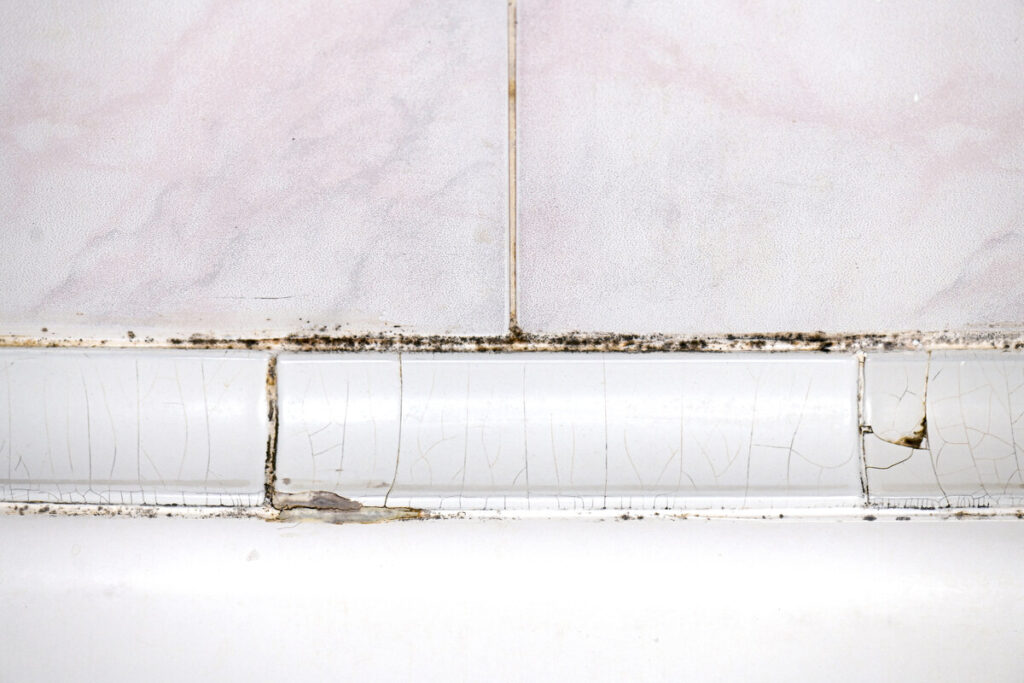
A dark spot in the corner of a dorm shower or an apartment ceiling is easy to ignore. New research suggests that even small patches of visible mold are worth taking seriously, especially if you have asthma.
Researchers in France analyzed questionnaires from 28,596 adults in a study published in Environmental Research. Participants reported whether they saw mold at home, and how large the moldy area was. They also described their breathing symptoms and asthma. The group was not made up of students: the average age was 55, and 70% lived in houses. Still, the findings are among the first large ones to look at mold size in adults.
What the study found
About 21% of participants reported visible mold in their home. Only 0.3% reported an area larger than 3 square meters (roughly 32 square feet). After adjusting for age, sex, smoking, education and other factors, people with visible mold were more likely to have current asthma, more asthma symptoms and poorly controlled asthma. The odds were about 40% higher, and the link held even for small moldy areas.
The association was stronger when the mold was in main living areas such as the living room or bedroom. It did not differ between apartments and houses, or between men and women.
A second analysis, published in Thorax in 2026, looked at 1,870 adults who already had asthma. Among them, 29.6% reported visible mold. Mold was linked to a higher chance of the “eosinophilic” type of asthma (odds ratio 1.30), an allergy-related pattern of inflammation. The authors say this hints at how mold may affect the airways, but it does not prove it.
What this does not prove
These were observational studies. Mold was self-reported, so people with asthma may notice or remember it differently. The research shows an association, not that mold causes asthma in any one person. A French agency review from 2016 found enough evidence for an effect on asthma in children, while results in adults were less clear, which is why these newer studies matter.
The participants also lived in France, not on a US campus. No one measured mold in dorms specifically, so the results are a reason for caution, not a verdict on student housing.
Why this matters in student housing
Shared bathrooms, old buildings, window air conditioners and small rooms full of damp towels all create conditions mold likes. The EPA notes that mold needs moisture to grow, and that controlling moisture is the key to controlling mold. In the French data, mold was more common in homes with water damage or damp traces, and less common where a ventilation system was present. In other words, it is often a building problem, not a cleanliness problem.
What you can do
- Report leaks and damp spots early. The EPA advises renters to tell the building owner or manager about plumbing leaks and moisture problems right away. On campus, that usually means a housing maintenance request in writing.
- Dry things fast. The EPA says water-damaged areas and items should be dried within 24 to 48 hours.
- Watch humidity. The EPA suggests keeping indoor humidity below 60%, ideally between 30% and 50%. A small humidity meter costs roughly $10 to $50.
- Ventilate. Run the bathroom fan or open a window while showering, and avoid hanging wet laundry in a closed room.
- Know when to hand it off. The EPA says small areas under about 10 square feet can often be cleaned with detergent and water, and then dried completely. Bigger patches, or mold that keeps returning, should go to housing staff or your landlord.
If you have asthma and notice more coughing, wheezing or chest tightness in a damp room, talk with your campus health service or your doctor. They can look at your own situation, which no study can.