

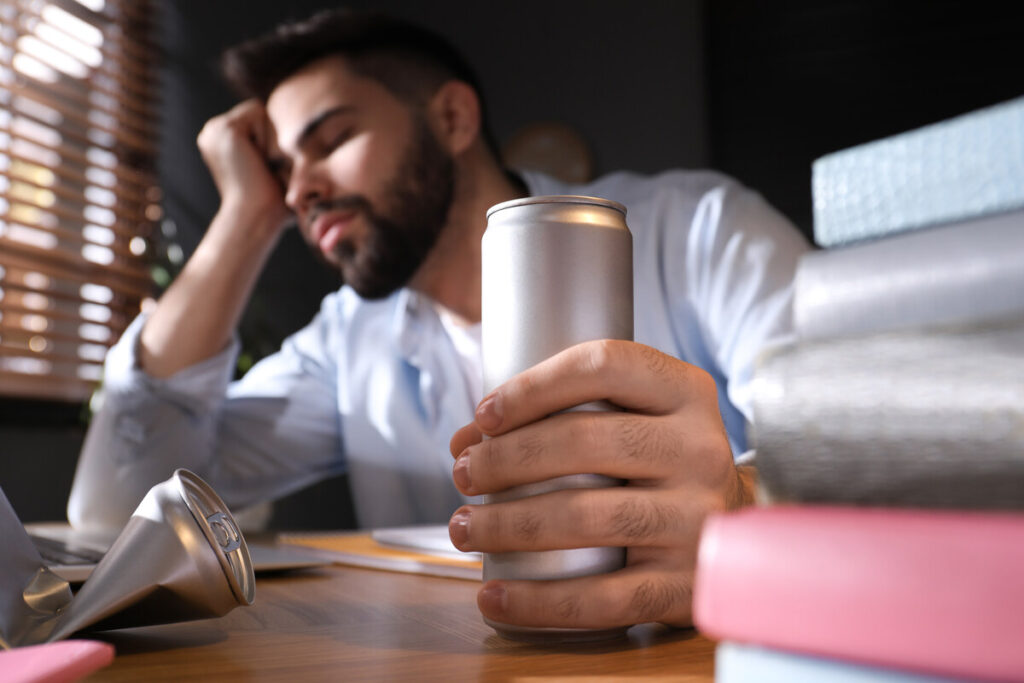
Energy drinks sit in the same cooler as soda and bottled water, so many students treat them as ordinary drinks. A new preliminary study suggests that stimulant products show up far more often in reports of serious heart events, though it cannot show that they cause them.
What the researchers looked at
The work comes from a medical student at the University of Virginia, Sai Samayamanthula, and was presented at the American Heart Association’s Scientific Sessions in Chicago (Nov. 6-9, 2026). According to the American Heart Association release, the team reviewed 28,345 reports filed with an FDA safety database between 2017 and 2025, covering people age 13 and older.
Of those, 854 reports mentioned caffeinated energy drinks or supplements with caffeine or other stimulants. The other 27,491 involved products without those ingredients, such as soft drinks, protein bars and vitamins. The researchers then compared which health problems were named in each group.
The numbers, and what they do and do not mean
Compared with the non-stimulant reports, the stimulant reports mentioned these problems more often:
- Cardiac arrest: about 11 times more often
- Heart attack: about 4.5 times more often
- Dangerous ventricular rhythm problems or palpitations: about 4 times more often
- Elevated heart rate: nearly 3 times more often
- Chest pain: 2.71 times more often
- Fainting: about 2 times more often
About 45% of the cardiovascular reports involved people ages 18 to 34, which is the age range of most college students.
These figures describe how often a problem appears inside a pile of voluntary reports. They are not an individual’s risk of having a heart attack. Reports are self-submitted, so nobody knows how many people drank these products without trouble, and unreported events are invisible. Products were also grouped by ingredient, not brand. Cardiologist Gregory Marcus, who was not part of the study, noted that “the study does not prove that caffeine products cause these events.”
The findings are also preliminary. The AHA says they should be considered preliminary until published as a full manuscript in a peer-reviewed journal.
Why the caffeine math matters
The AHA release says up to 400 mg of caffeine a day is generally safe for most adults, about five 8-ounce cups of regular black coffee. It adds that some energy drinks contain up to three times the caffeine per fluid ounce of brewed coffee, and some pre-workout supplements more than 12 times as much.
The lead author put the practical point this way: people who use these products regularly “can quickly exceed the recommended daily limit for caffeine.” He also said that for many healthy people, occasional use probably carries a small risk. Energy drink sales have more than doubled over the past decade, topping $20 billion in 2024, according to the release.
A regulatory gap worth knowing about
The FDA regulates energy drinks and stimulant supplements as foods or dietary supplements, not as medications. That means they do not go through the same premarket safety testing that medications require. The researchers say this supports more systematic safety monitoring.
What students can do with this
- Check the label for caffeine per serving, and add up everything you drink in a day, including coffee and pre-workout powders.
- Be extra cautious about stacking an energy drink with a stimulant supplement or medication.
- Treat palpitations, chest pain or fainting as a reason to get checked, and tell the clinician what you have been drinking. The lead author says clinicians should ask younger patients with those symptoms about these products.
- If you have a heart condition or take medication, ask your campus health center or doctor before using stimulant products.
This article is general information, not medical advice.