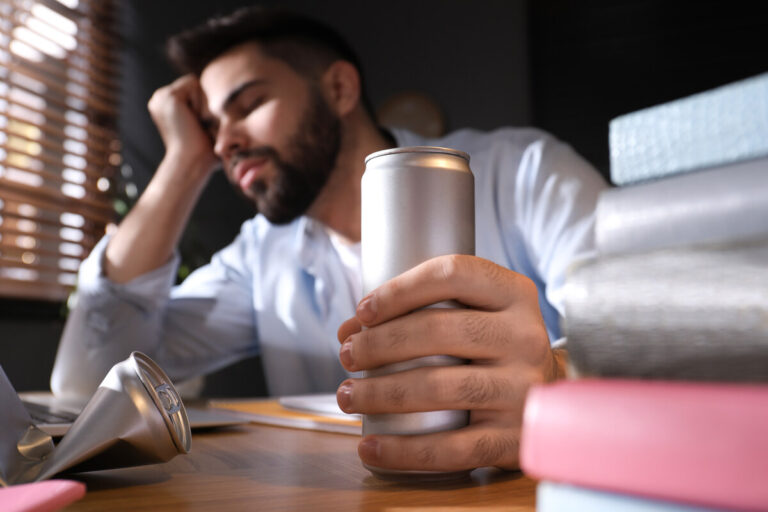


Some students shrug off a bad exam week while others spiral at the first schedule change. A survey of 401 U.S. college students suggests everyday habits like breakfast and sleep may be part of that difference, though the study cannot show that they cause it.
What the researchers measured
The study, led by Lina Begdache, an associate professor of health and wellness studies at Binghamton University, was published in the Journal of American College Health. The team ran an anonymous online survey shared on social media and aimed at U.S. colleges. Respondents had an average age of 19, and about 58% identified as female.
Students answered questions about their diet, sleep, exercise, alcohol and marijuana use, along with two psychological traits. The first was resilience, the ability to bounce back after stress. The second was psychological flexibility: the capacity to notice difficult thoughts and emotions without getting stuck in them, and to adjust what you do as circumstances change.
The researchers then used a statistical method called structural equation modeling to test whether habits were linked to resilience directly, or indirectly through flexibility.
Breakfast and sleep stood out
Two patterns ran through psychological flexibility. Students who ate breakfast five or more times a week tended to score higher on resilience, and flexibility helped explain that link. The same was true for students who ate fast food three or fewer times a week.
Sleep pointed the other way. Getting fewer than six hours a night was associated with lower flexibility and, through it, lower resilience. Female students also scored somewhat lower through the same pathway.
Begdache summed up the main idea in a Binghamton University news release: “The new finding here is that diet and lifestyle don’t just make you resilient by themselves.” In other words, the habits seem to travel through the way students handle their own thoughts and emotions.
Other habits had a direct link
Some factors were tied to resilience on their own, without flexibility in the middle. Exercising more than 20 minutes a day, eating fish oil four or more times a week and pursuing a higher degree were all associated with higher resilience. Marijuana use was associated with lower resilience.
One result shows why surveys like this need careful reading: alcohol consumption was also linked to higher resilience. Nobody should take that as a reason to drink. A survey taken at one moment cannot sort out which came first, and students who feel stable and socially connected may simply be more likely to report drinking. The same caution applies to every finding here, breakfast included.
What this can and cannot tell you
The study has real limits. Answers were self-reported, the sample came from social media rather than a random draw of students, and the design captures associations, not cause and effect. It does not prove that eating breakfast will make you calmer under pressure.
Still, the habits it highlights are low cost and line up with standard health advice, so they are reasonable things to try:
- Protect a minimum of sleep. Under six hours was the clearest negative signal in the study. Planning study sessions earlier in the day can help avoid the all-nighter trap.
- Eat something in the morning. It does not need to be elaborate: oatmeal, yogurt, a piece of fruit or eggs grabbed before an 8 a.m. class count.
- Move for 20 minutes. A brisk walk across campus or a short session at the rec center fits the threshold used in the study.
- Treat fast food as occasional. The link appeared at three or fewer times a week, not at zero.
Psychological flexibility can also be practiced directly. Campus counseling centers often run workshops on stress, mindfulness or acceptance-based skills, and many are free for enrolled students.
When stress is more than a rough week
Habits help at the margins, but they are not a treatment. If stress is affecting your sleep, grades or relationships for weeks at a time, the campus health or counseling center is the right place to start. In a crisis, you can call or text 988 to reach the Suicide and Crisis Lifeline at any hour.