
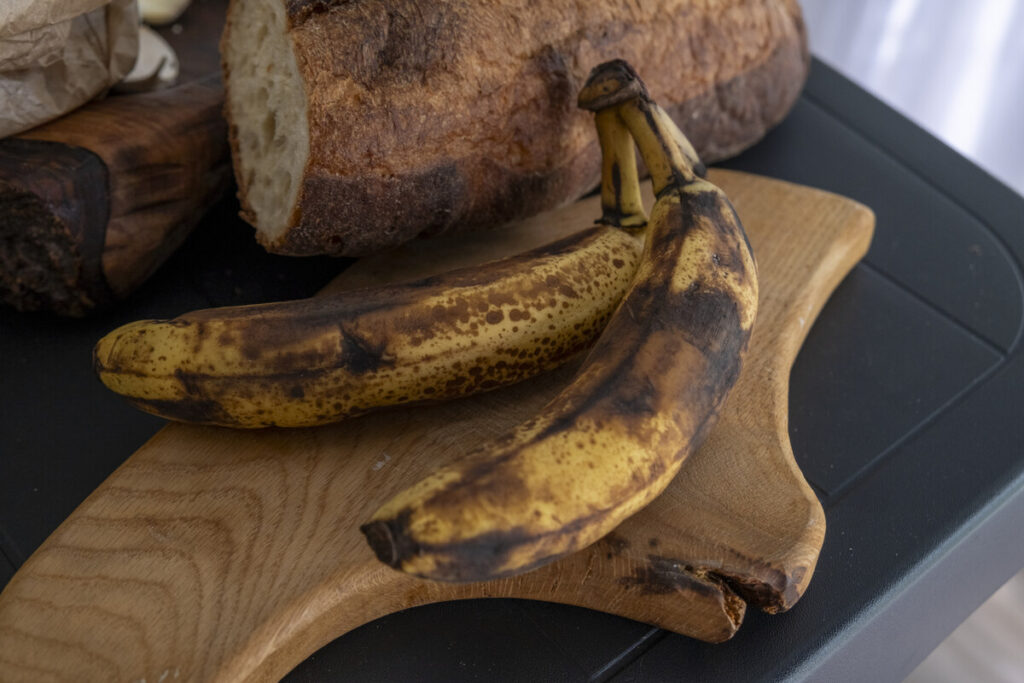
A brown banana, a bag of limp spinach, a yogurt one day past its printed date: for a lot of students, all three go straight in the trash. Research suggests that habit costs real money, and that adults under 35 are the most likely to do it.
The good news is that a few simple rules separate food that is merely aging from food that can actually make you sick. Knowing the difference is one of the cheapest ways to stretch a grocery budget without taking risks.
Date labels mostly talk about quality, not safety
In a nationally representative survey of 1,029 U.S. adults run in 2016 and published in Waste Management, researchers from Johns Hopkins and Harvard Law School found that 84% of consumers throw food away near the package date at least occasionally. Respondents ages 18 to 34 reported doing it significantly more often than older adults, and people who misread the labels discarded food more frequently.
The confusion is understandable. The survey notes that date labels like “best before” and “sell by” are largely unregulated in the United States. More than a third of participants wrongly believed date labeling was federally regulated, and another 26% were unsure. Most people read “best if used by” as a quality signal, while “use by” and “expires on” sounded like safety warnings.
At a national scale, the waste adds up. The nonprofit ReFED estimates that 29% of the U.S. food supply went unsold or uneaten in 2024, and it lists misunderstanding of date labels among the reasons households throw away food before it has spoiled.
Signs that mean toss it
Aging and spoiling are not the same thing. Wrinkles, browning, dryness and a softer texture usually mean food has lost moisture or freshness. Visible mold, slime, leaking liquid or a strong sour smell are different: those are signals to throw it out.
Mold is where the rules get specific. According to a UConn Extension fact sheet based on USDA guidance:
- Firm fruits and vegetables like cabbage, bell peppers or carrots can be saved by cutting at least one inch around and below the moldy spot, without dragging the knife through the clean part.
- Soft produce such as strawberries or tomatoes should be thrown out whole.
- Hard cheeses like cheddar or parmesan can be trimmed the same way, one inch around and below the mold.
- Soft cheeses like cottage cheese or cream cheese, plus yogurt and sour cream, go in the trash at any sign of mold.
- Moldy bread, baked goods, meat and poultry should be discarded.
The fact sheet’s bottom line is worth keeping: if you are not sure, throw it out.
What you can rescue, and how
Overripe bananas are ideal for banana bread, pancakes or smoothies. Keep them away from fresher fruit, since ripening bananas release ethylene, a gas that speeds up ripening in nearby produce. Wrinkled apples still work in applesauce or baking, and dried-out citrus can still give you zest and juice.
Soft or wilted vegetables have mostly lost water. Roasting them, blending them into soup or tossing them into a stir-fry hides the texture. Many cooks revive limp leafy greens by soaking them in ice water for a while before using them.
Stale bread that has no mold makes good toast, croutons or breadcrumbs.
Leftovers have their own clock
Cooked food follows stricter rules than raw produce. The Clemson Cooperative Extension advises refrigerating leftovers and takeout within 2 hours, keeping the fridge at 41°F or colder, and eating refrigerated leftovers within 4 days. Anything you will not finish in that window can go in the freezer. A strip of tape with the date written on it helps, especially in a shared dorm or apartment fridge where nobody remembers whose pasta is whose.
Clemson also recommends reheating food until it is hot all the way through and avoiding takeout or foam containers in the microwave, since they can warp or melt.
A simple routine for a student kitchen
- Check the fridge before you shop, and plan one “use it up” meal a week.
- Read “best if used by” as a quality hint, then use your eyes and nose.
- Freeze bread, bananas and cooked leftovers before they turn.
- Store food in airtight containers to slow mold.
These guidelines are general food safety advice, not medical guidance. If you are pregnant, immunocompromised or have food allergies, stricter rules may apply, and your campus health center can help with questions about your situation.