

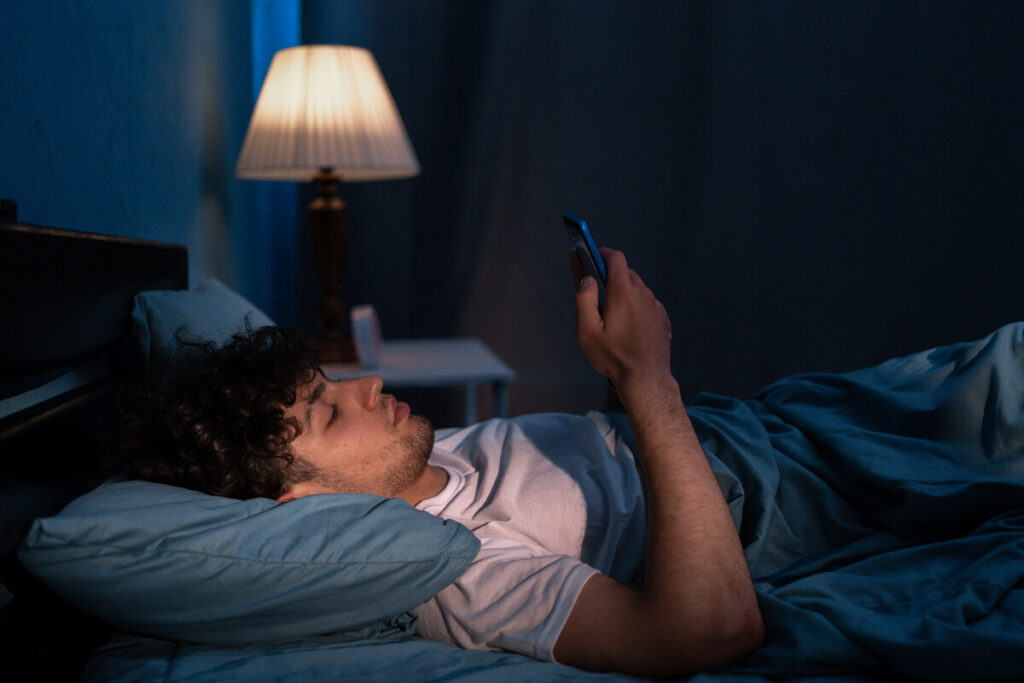
Feeling uneasy about climate change is common among people your age. But researchers say the useful question is not whether you have eco-anxiety, it’s how strong it is, because mild worry and intense distress are very different things.
Psychologists use the term eco-anxiety for the distress some people feel in response to climate change and other environmental threats. It is not a diagnosis, and it is not the same thing as an anxiety disorder or depression. Still, at higher intensity it can start to look like them: trouble sleeping, repetitive negative thoughts, and difficulty focusing on work or classes.
How common is climate worry among young people
The largest survey on the topic so far, published in The Lancet Planetary Health in 2021, asked 10,000 people aged 16 to 25 in ten countries, including 1,000 in the United States, how they felt about climate change. 59% said they were very or extremely worried, and more than 45% said those feelings negatively affected their daily life and functioning. Three in four agreed that the future is frightening.
Those numbers show how widespread the worry is. What they don’t show is how intense it is for each person, and that’s where measurement comes in.
A thermometer for eco-anxiety
In 2021, a team of researchers in Australia and New Zealand published the Hogg Eco-Anxiety Scale in the journal Global Environmental Change. It’s a 13-item questionnaire that looks at four separate dimensions:
- Affective symptoms: feeling nervous, anxious or on edge about the environment
- Rumination: thoughts about environmental problems that keep coming back
- Behavioral symptoms: things like sleep problems or trouble getting work or studying done
- Personal impact: anxiety about your own footprint on the planet
The researchers tested the scale on several samples and concluded that eco-anxiety is a measurable experience that can be distinguished from general stress, anxiety and depression. In other words, it can be scored like a temperature reading rather than labeled as present or absent.
What a national survey found when it used the scale
France’s environment agency, ADEME, used the Hogg scale in a 2025 report based on a representative sample of 998 people aged 15 to 64 in France. Scores range from 0 to 39, and the report sorted respondents into intensity levels:
- About 75% showed no threat to their mental health from eco-anxiety (not at all, very slightly or slightly eco-anxious)
- 15% were moderately eco-anxious, with symptoms starting to settle in
- 5% were strongly eco-anxious
- 5% were very strongly eco-anxious, a level where the report says psychological support is warranted
Age mattered, though not in the most obvious way. The 25 to 34 group had the highest average score, not teenagers. But the two youngest groups had the most people at the top of the scale: 8% of 15 to 24-year-olds and 10% of 25 to 34-year-olds were very strongly eco-anxious, compared with 5% across all ages. The report also found that people with more years of education tended to score higher.
Keep in mind this was a survey of French adults, not American students, so the exact percentages may not carry over to a US campus. The pattern it describes, that most people sit at low levels while a minority faces intense distress, is the useful takeaway.
What this means for you
Caring about the planet is not a problem in itself. The ADEME report draws a line between eco-anxiety that pushes people toward action and the more intense kind that starts to wear down mental health. A few signs that worry may be moving into the second category, based on the dimensions the scale measures:
- You lose sleep over environmental news on a regular basis
- Climate thoughts keep interrupting your studying or your work
- Guilt about your own impact feels constant rather than motivating
The report’s authors argue that taking concrete action, even small steps, tends to reassure people dealing with eco-anxiety, while the most intense cases call for proper psychological care. That’s their reading of the evidence, not a guarantee, but it matches the idea that worry which leads somewhere feels different from worry that just loops.
If any of those signs sound familiar, your campus counseling center is a good place to start. You don’t need a diagnosis to book an appointment, and talking it through with a professional can help you figure out where your own worry sits on that scale.