

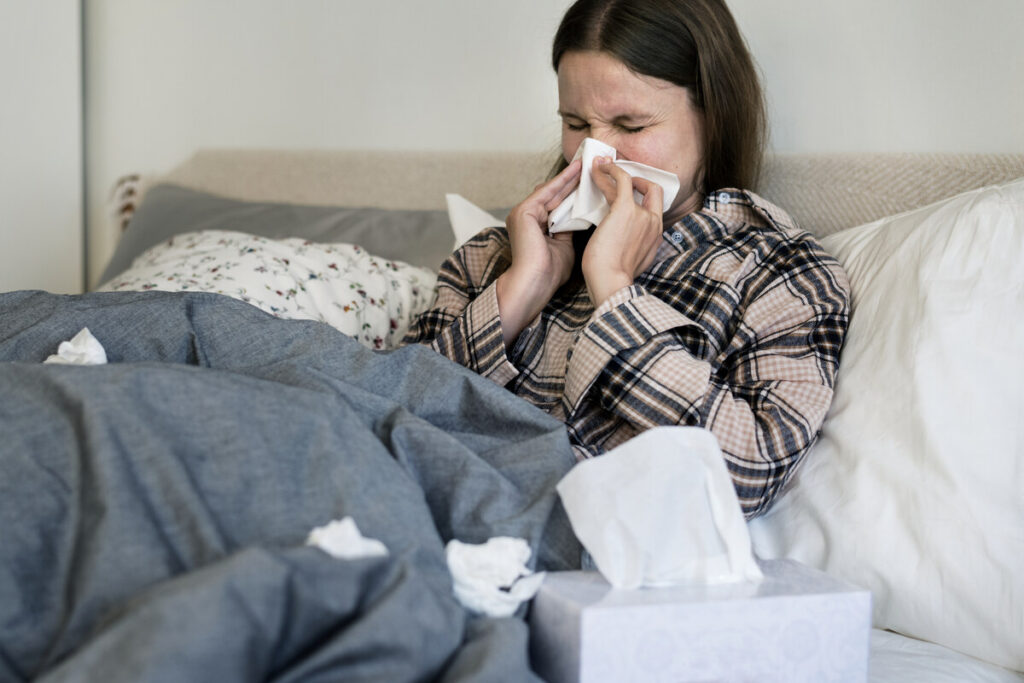
Every fall, pharmacy shelves fill up with “immune support” gummies and powders. The research on those products is far less exciting than the packaging, while a few unglamorous habits have better evidence behind them, including one trial run in actual university residence halls.
Dorms are close to ideal for spreading respiratory viruses: shared bathrooms, packed lecture halls, dining hall lines and roommates on different sleep schedules. No food, pill or routine can guarantee you won’t catch a cold, the flu or COVID-19. What studies can do is show which habits lower the odds and which ones mostly lower your bank balance.
Vitamin C: not much help for preventing colds
Vitamin C has been tied to cold prevention since the 1970s, and it is still the first thing many students reach for. A Cochrane review of placebo-controlled trials looked at more than 10,000 people in the general population who took vitamin C every day. Their risk of catching a cold was essentially unchanged (a risk ratio of 0.97, where 1.0 means no difference).
Two nuances matter. Taken regularly, vitamin C shortened colds in adults by about 8%, which works out to a fraction of a day for a typical cold. And in a small group of trials on people under extreme physical stress (marathon runners, skiers and soldiers training in subarctic conditions), the risk of a cold was roughly halved. Starting vitamin C only after symptoms appeared showed no consistent effect. For most students, a daily orange or a serving of bell peppers covers what the body needs, without the cost of megadose packets.
Vitamin D: a small effect, mostly in daily doses
Vitamin D gets a lot of attention in winter, when there is less sunlight. A 2021 meta-analysis in The Lancet Diabetes & Endocrinology pooled 43 trials with data from more than 48,000 participants. Overall, 61.3% of people taking vitamin D had at least one respiratory infection, compared with 62.3% on placebo. That is a statistically significant but small difference. The protective effect looked stronger in trials that used modest daily doses (400 to 1,000 IU) rather than large occasional ones.
If you think you might be low in vitamin D, talk to your campus health center rather than buying the strongest bottle on the shelf. More is not automatically better.
Sleep: the habit most students cut first
In a study published in the journal Sleep, researchers tracked the sleep of 164 healthy adults with wrist monitors for a week, then gave them nasal drops containing a cold virus. People who had averaged less than 6 hours of sleep a night were about four times as likely to develop a cold as those sleeping more than 7 hours. Those sleeping between 6 and 7 hours were not at a clearly higher risk.
The sample was small and the confidence intervals were wide, so the exact multiplier is uncertain. Still, the direction is consistent: midterm all-nighters and late-night gaming streaks may come with a cost that shows up a few days later.
Handwashing and masks: tested in residence halls
The most directly relevant study for students is a randomized trial at the University of Michigan, published in The Journal of Infectious Diseases. It included 1,437 students living in residence halls during the 2006 to 2007 flu season. Halls were assigned to face masks, face masks plus hand hygiene, or no intervention, for six weeks.
In weeks four to six, the mask and hand hygiene group had 35% to 51% fewer cases of influenza-like illness than the control group, after adjusting for vaccination and other factors. Masks alone showed a similar trend that did not reach statistical significance, and neither approach produced a significant reduction over the full six weeks. The benefit was modest and took time to appear, but it was measured in exactly the kind of shared housing many students live in.
A realistic plan for cold and flu season
- Wash your hands with soap and water, or use hand sanitizer, especially before eating and after shared spaces like the gym or dining hall.
- Protect your sleep during busy weeks; aiming for at least 7 hours is a reasonable target.
- Eat fruit and vegetables regularly instead of relying on supplements.
- Ask your campus health center about a flu shot, since many offer vaccination clinics in the fall.
- If you get sick, stay in your room when you can and cough or sneeze into your elbow to protect roommates.
None of these steps makes you immune, and no study promises that. If you have a high fever, trouble breathing or symptoms that keep getting worse, contact your campus health service or a doctor rather than waiting it out.