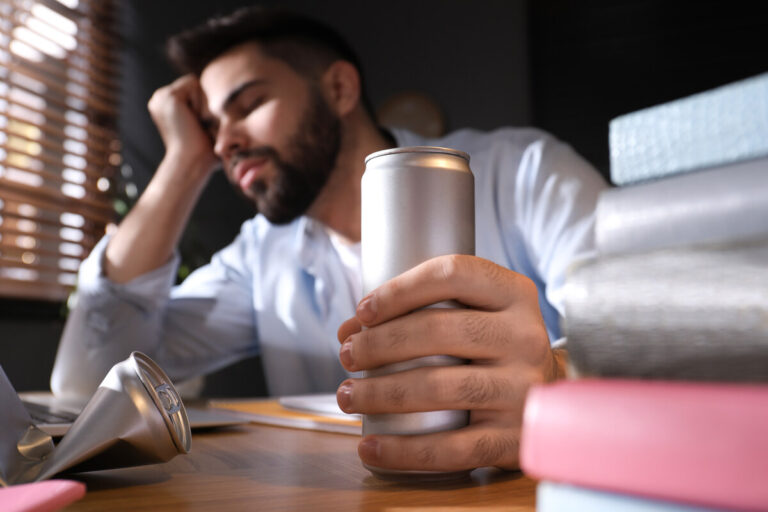

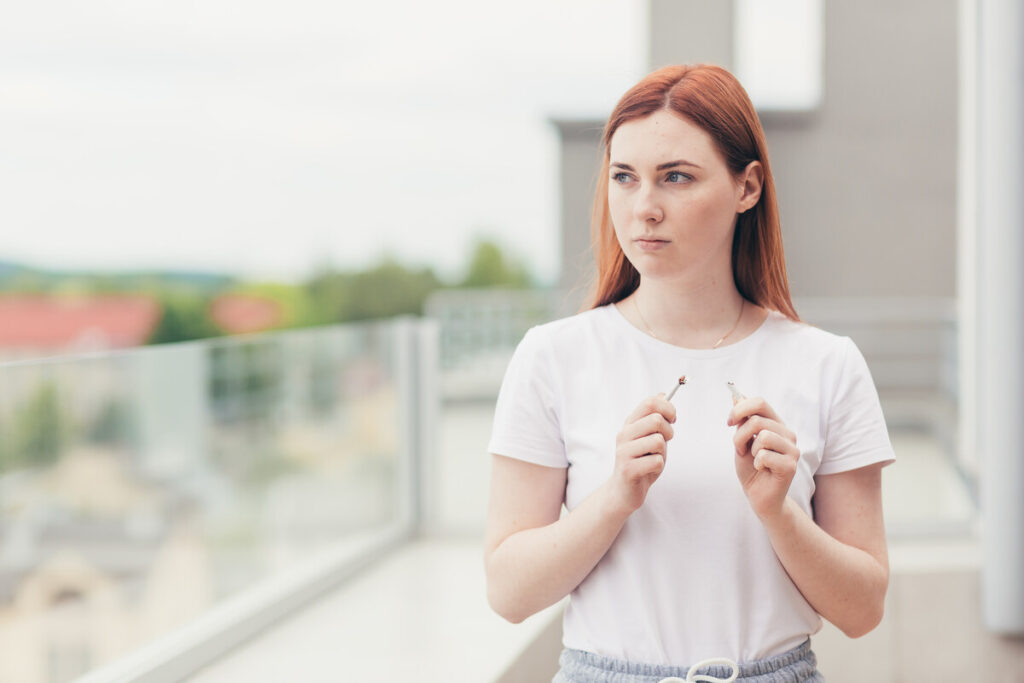
Quitting nicotine can bring irritability and anxiety, and researchers are starting to ask whether the gut plays a part. A 2026 mouse study suggests it might, but nothing here is ready to help a student who is trying to quit.
What the researchers did
A team at Virginia Commonwealth University, led by Eda Koseli, published their work in Nicotine & Tobacco Research. They gave mice a steady dose of nicotine for 15 days through a small pump placed under the skin. Removing the pump stopped the nicotine all at once, which let the team watch withdrawal begin.
Some of the mice also received a transplant of gut microbes, taken from their own stool before the experiment, twice a day while they were on nicotine. The comparison groups got no transplant.
What they found
The mice that got their own gut microbes back showed fewer physical signs of withdrawal, and fewer anxiety-like behaviors, up to a week after the nicotine stopped. Stool analysis also showed that the microbe mix had shifted differently in the transplant group. The authors summarize it carefully: “under our experimental conditions, fecal transplant can reduce the severity of nicotine withdrawal.”
The researchers say this is the first report that gut microbes may influence how intense withdrawal is, at least in mice.
Why you should not read this as advice
- It was done in mice. Results in animals often fail to carry over to people.
- The study is small. The press coverage that flagged it counted 32 male mice.
- Nobody knows which microbes, or which substances they make, did the work.
- Human evidence is thin. A 2013 study followed just 10 smokers who quit and saw their gut bacteria change over nine weeks. It did not test whether those changes affect cravings or mood.
In short, this is a lead for future research, not a treatment. Do not try to alter your gut bacteria on your own to get through withdrawal.
What helps right now
The Great American Smokeout, run by the American Cancer Society, falls on the third Thursday of November, which is November 19 this year. The society says getting help through counseling and medications doubles or even triples your chances of quitting successfully. It lists a helpline at 1-800-227-2345 and a free email-based program called Empowered to Quit, both on its Smokeout page.
If you vape or use nicotine pouches, the same logic applies: withdrawal is real, and support works better than going it alone. Many campus health centers can talk through options, and a clinician can advise you on medications in your own case.