

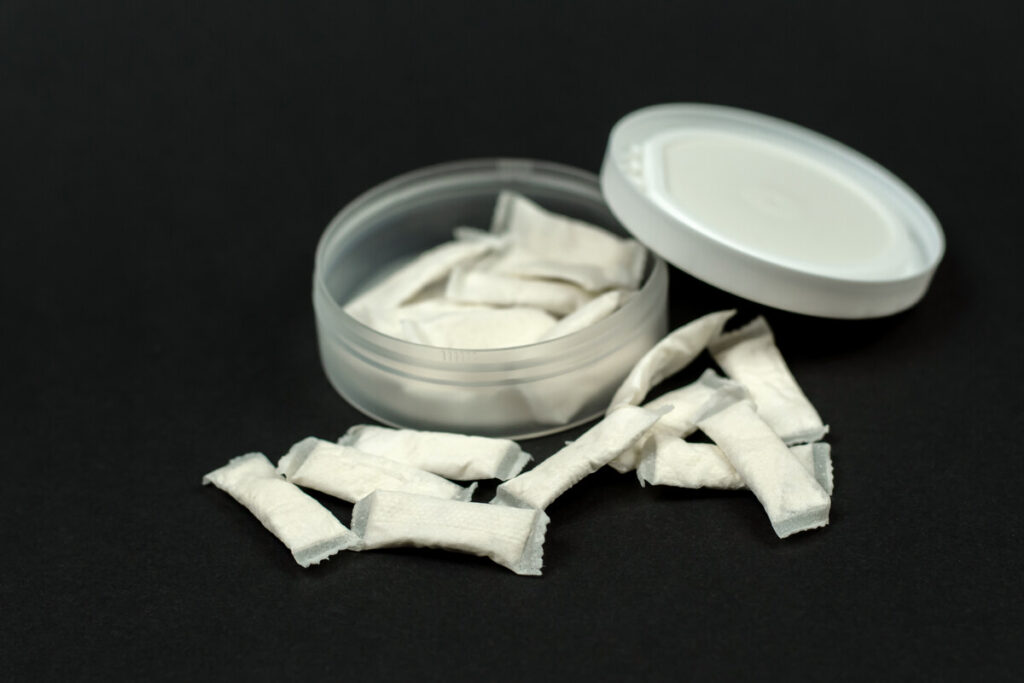
Nicotine pouches are showing up in backpacks, at parties and in study sessions, often with a pitch that they sharpen focus. The research tells a more modest story: a small, temporary lift on some lab tasks, little evidence of better learning, and a clear risk of dependence.
On social media and in some wellness podcasts, nicotine is increasingly presented as a productivity tool rather than the addictive ingredient in cigarettes. Pouches, small flavored packets that sit between the lip and gum and contain no tobacco leaf, fit that image well: no smoke, no smell, easy to use in a library or a lecture hall.
How common pouches are on campus
A team at The Ohio State University surveyed 578 undergraduates and 888 graduate students at a large Midwestern university in spring 2025. In the study, published in the Journal of American College Health, 15.4% of undergraduates and 11.4% of graduate students said they had tried a nicotine pouch at least once. Regular use was much lower, at 2.9% and 2.5% using them at least monthly. Among undergraduates in a fraternity, ever use reached 41.2%.
Interestingly, the reason students gave most often was not studying. It was “I like the buzz.” Lead author Megan Roberts noted in the university’s announcement that pouches can be used discreetly in places where smoking is not allowed, such as classrooms, which may make it easier to slide into regular use.
The trend goes beyond one campus. In the national Monitoring the Future panel study from the University of Michigan, 9.5% of adults ages 19 to 30 reported using nicotine pouches in the past year in 2024, roughly double the 2023 figure.
What nicotine actually does to attention
There is a real effect, but it is smaller than the marketing suggests. A meta-analysis in Psychopharmacology pooled 41 double-blind, placebo-controlled lab studies published between 1994 and 2008. It found improvements in six areas, including fine motor skills, alertness, reaction time and short-term memory accuracy, with effect sizes between 0.16 and 0.44, which researchers usually describe as small to moderate.
Those results come from short lab tasks measured minutes after a dose. They do not show that nicotine helps you understand new material, write a better paper or earn higher grades over a semester.
The effect also seems to depend on who takes it. In a small randomized crossover trial in Belgium, 1 mg and 2 mg doses of nicotine had no measurable effect on cognition in 16 healthy adults aged 18 to 30. Across the whole study, people who scored lower at baseline tended to benefit, while those who already performed well tended to do worse after nicotine. With so few participants, that finding is a hint, not a rule, but it cuts against the idea of a universal brain boost.
The trade-offs students tend to overlook
Nicotine activates the same receptors as acetylcholine, a brain chemical involved in attention and memory, and it also triggers dopamine release in reward circuits. With repeated use, the brain adapts, which is how dependence develops. Once that happens, going without nicotine typically brings irritability and trouble concentrating, the opposite of what many users were hoping for.
- Sleep. A review of 52 studies in Sleep Medicine Reviews linked nicotine use to taking longer to fall asleep, more broken sleep, less deep sleep and more daytime sleepiness.
- Stress. Nicotine can feel calming in the moment. Yet a meta-analysis of 26 studies in The BMJ found that people who quit smoking saw their anxiety, depression and stress decrease compared with those who kept smoking. Those studies involved cigarettes, not pouches, and they show an association rather than proof of cause.
- The body. According to the Ohio State researchers, pouches can raise heart rate and blood pressure and cause gum irritation and dry mouth. Because the products are fairly new, long-term effects are still poorly understood.
- A still-developing brain. A review of adolescent nicotine research notes that animal studies show lasting effects of nicotine on the developing brain and calls for long-term follow-up of teens and young adults who use it.
If you already use pouches
You are not alone, and cutting back is possible. Your campus health center can talk through options without judgment, and the free national quitline at 1-800-QUIT-NOW connects you with a coach in your state. This article is general information, not medical advice, so check with a health professional about your own situation.
For focus itself, the basics are less exciting but carry none of these risks: enough sleep, short breaks, and phones out of reach while you work.